Favorite Places: Ōamaru
Two Penguin Colonies, One Small New Zealand Town
The spectacle was scheduled to begin in the late afternoon. I didn’t know what to expect, so I arrived early, not wanting to miss it.
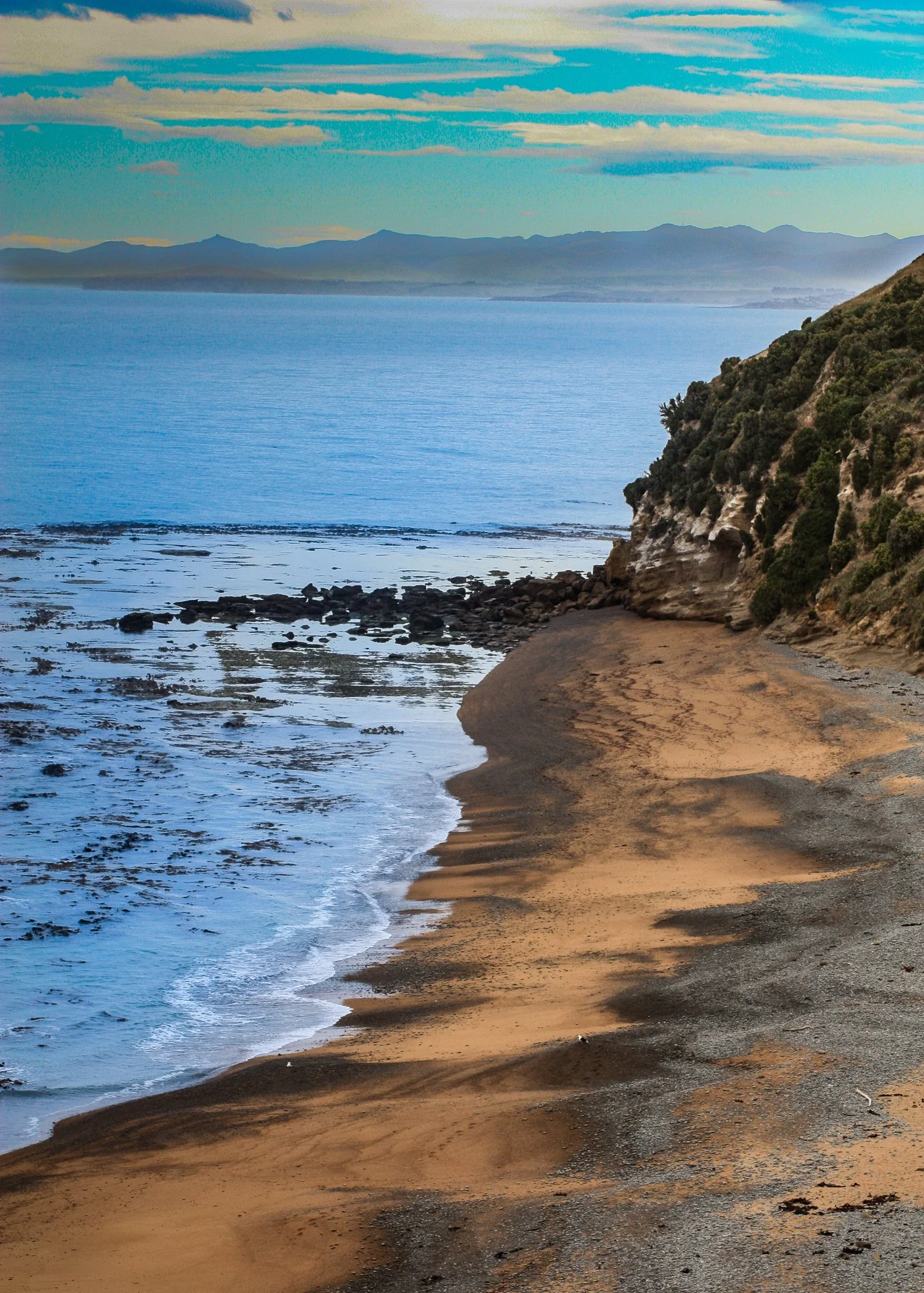
From a viewing platform high above a beach, I scanned the ocean before me, then the surf, and then the sand. Back and forth my eyes moved until my neck began to ache from staring so intently at the water.
I waited for nearly an hour.
Nothing.
Then, suddenly, I noticed another fellow nature-loving soul motioning with a hand and finger toward the surf.
A penguin quietly emerged from the ocean like magic.
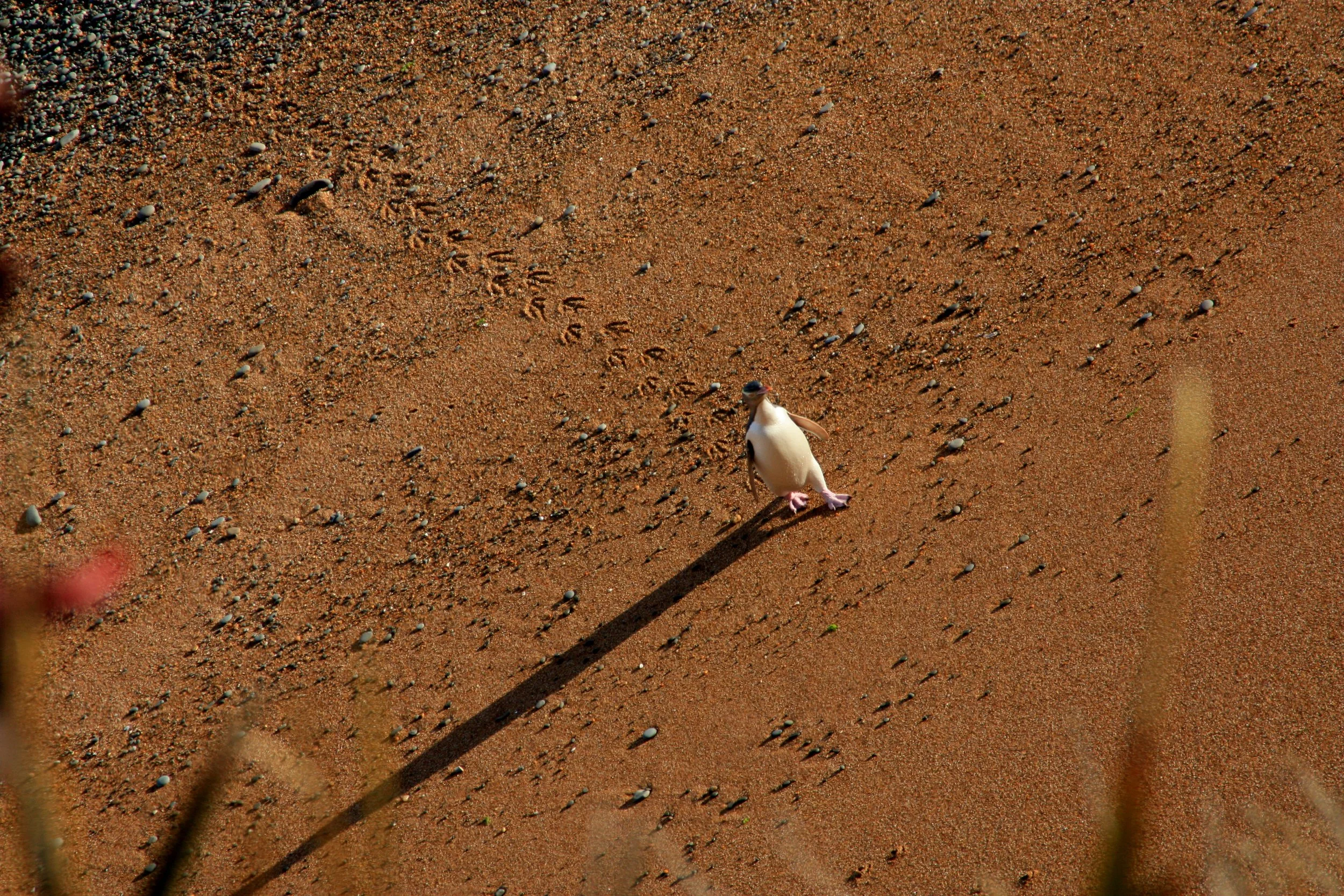
From the viewing platform it looked small and distant, just a figure moving slowly up the beach. Then another emerged from the water behind it. And then more. One by one they hurried across the sand and into the shoreline vegetation, disappearing again.
Behind them, their tiny webbed footprints stitched a winding trail across the dark sand.
I was standing at Bushy Beach Scenic Reserve, just north of the small coastal town of Ōamaru.
Home to about 14,000 people, Ōamaru holds a delightful distinction: it’s one of the few places in the world where you can see two different species of penguins on the same day.
And on that day, I did exactly that.
I was traveling alone on a month-long trip across New Zealand in late 2008, one of my first international adventures. The South Island in particular felt wild and expansive—a place where nature loomed large over civilization.
Ōamaru itself was charming. The town is known for its Victorian limestone buildings, remnants of a prosperous 19th-century port. I remember touring one of them and being struck by the contrast: the architecture felt almost grand, but the town itself was humble and relaxed. That’s true of New Zealand more broadly. It’s a friendly, unpretentious place.
A common way to experience the penguins in Ōamaru is to see both species back-to-back, within a matter of hours. In the late afternoon, visitors often head north of town to Bushy Beach to look for yellow-eyed penguins.
The viewing area overlooks the ocean and a stretch of dark sand below. The sand immediately catches your attention. Instead of the pale tan color you might expect, it is darker, almost charcoal in places. Much of the surrounding coast contains volcanic rock and iron-rich minerals, remnants of ancient lava flows that give the beaches their darker hue.
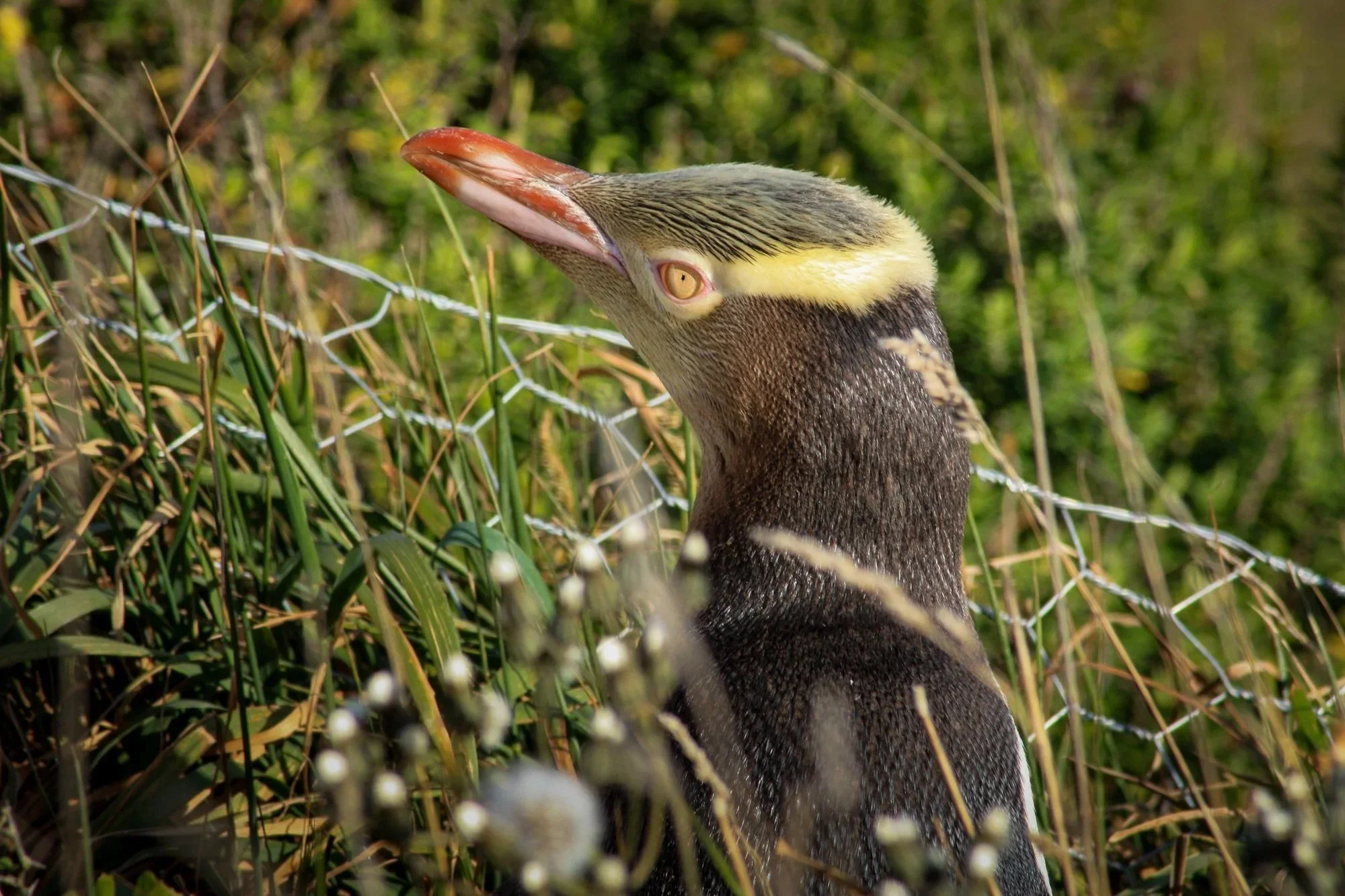
The yellow-eyed penguin — known locally as hoiho — is one of the rarest penguins in the world. Only a few thousand remain. Standing nearly two feet tall, they have pale yellow eyes and a faint band of yellow feathers wrapping around the back of their heads. They are striking creatures.
During the day these penguins are often miles offshore hunting fish and squid. In the evening they return to land, sometimes alone and sometimes in small groups, making the quiet walk back to nests hidden in coastal vegetation.
After I watched nearly a dozen make landfall, the shoreline grew quiet again. For a few minutes nothing happened. I stood there scanning the water, hoping to see another bird emerge from the waves.
Then I glanced down the boardwalk to my left. Two penguins suddenly appeared just meters away. They had waddled their way up the steep hillside below the overlook, climbing through the brush until they emerged almost at eye level.
It was startling. After watching them as distant figures on the beach far below, I hadn’t expected them to appear suddenly so close. As I was quickly learning, however, these penguins often climb surprisingly far inland—sometimes more than 100 yards up steep slopes to reach their nesting sites.
Over time more birds appeared amongst the nearby vegetation. I walked back and forth on the boardwalk looking at different penguin pairs in their nests—snapping photo after photo. I didn’t want to leave that amazing beach; however, there was a place I had to be at dusk.
I headed to see the other penguins in town at the Ōamaru Blue Penguin Colony.
The Ōamaru colony is one of the largest populations of little blue penguins on mainland New Zealand, with hundreds of birds nesting along the coastline around town. Just after sunset, visitors can sit in bleachers overlooking the rocky shoreline and wait for the penguins to return from a day of fishing.
Visitors remain quiet and the viewing area is lit like a darkroom. Bright lights or camera flashes can disorient the birds and sometimes cause them to panic and retreat back into the water. So the lights are dim and the cameras stay off. The penguins come first.
When it was sufficiently dark, the little blue penguins began to appear. They gathered just offshore, considering their next move. Groups of them hesitated in the waves before rushing across the rocks toward their burrows.
They were shockingly small and moved with surprising speed once they decided it was safe.
Little blue penguins — called kororā in Māori — stand barely a foot tall and weigh just a few pounds. Instead of the black backs typical of most penguins, their feathers are a slate-blue color, which gives them their name.
While I love taking photographs of my adventures, especially moments where I come face-to-face with wild animals in their wilds, it was nice to just sit, watch, and appreciate the penguins — and appreciate the day.
Before leaving, the caretakers made an unusual request: check under your car.
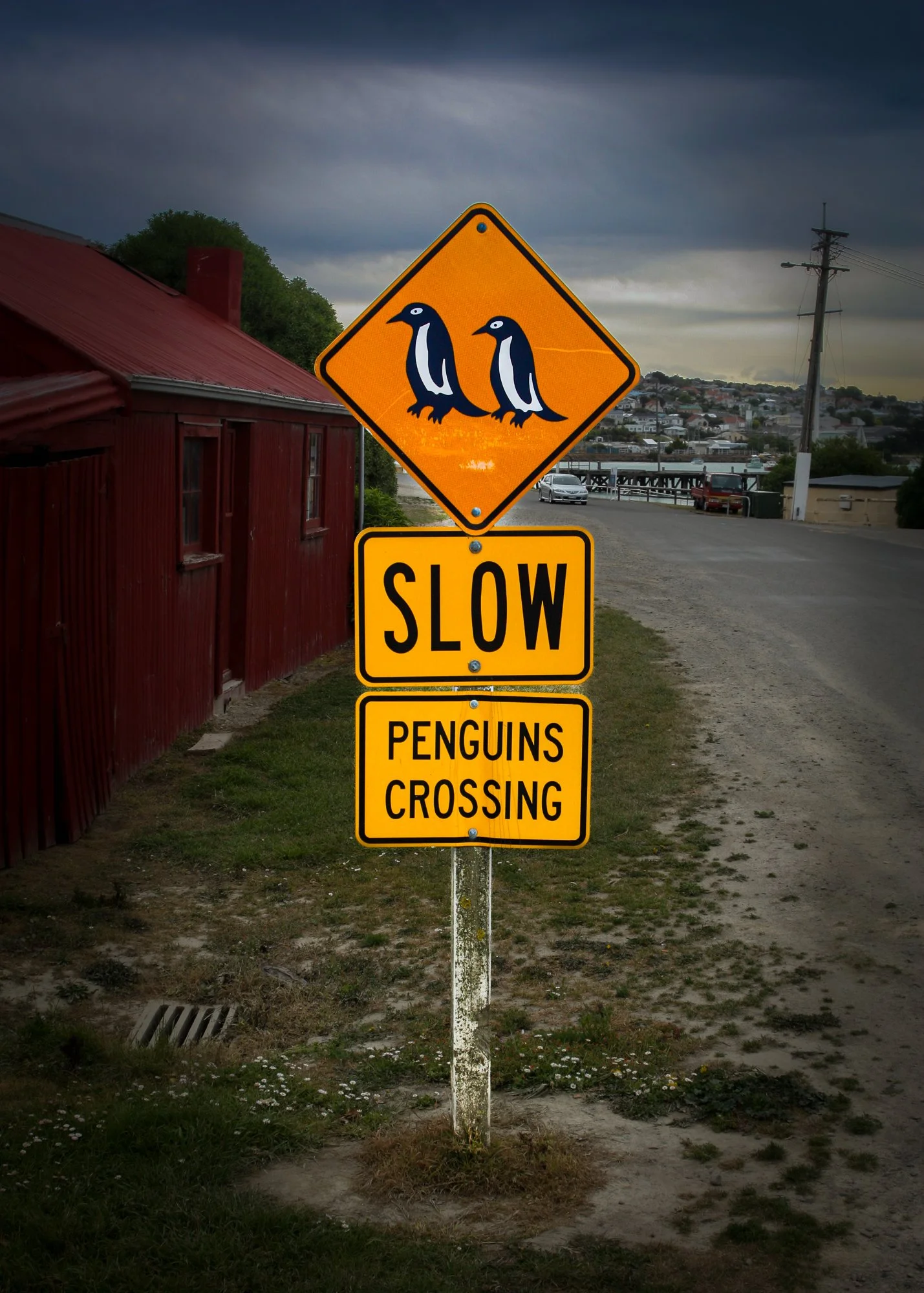
The penguins nest all around the area and often walk inland at night. Sometimes their paths lead straight through the parking lot. There are even road signs warning drivers about penguin crossings.
I crouched down and looked beneath my car, quietly hoping I might see one up close.
I didn’t.
Still, I left the car park beaming as I drove back to my hostel.
I had seen penguins many times before — on television, in nature documentaries, in the pages of National Geographic, and at zoos. Penguins have always been my favorite animal.
But until that day, I had never seen one in the wild.
And somehow, in one small town on New Zealand’s South Island, I had seen two different kinds in a single day — the rare yellow-eyed penguins stepping quietly across a dark beach and the tiny blue penguins rushing ashore in the early darkening night.
It felt almost improbable — and completely unforgettable.
CRAIG SAUER is a writer, communicator and former journalist living in Fitchburg, Wis. His favorite animal is the penguin.